

Rental House vs Apartment: Which Option Fits Your Lifestyle Better in 2026?
Modern living presents housing choices for individuals seeking shelter. The decision between residential structures requires careful thought. Many residents weigh the benefits of sprawling spaces against compact units. A rental house offers distinct advantages over complex units. Tenants desire environments suiting specific habits and long-term goals. Evaluating these environments involves examining layout, location, and overall living quality. Every tenant seeks the ideal refuge.
Making this choice involves examining market realities and personal preferences. Families and professionals examine available properties to find suitable matches. The physical structure of a residence dictates the atmosphere within its walls. Dwellings with standalone architectures provide unique features unavailable in shared structures. Tenants must consider these elements before signing a lease agreement.
Examining the Spatial Advantages
Space dictates resident satisfaction and comfort levels. Dwellings with vast floor plans allow inhabitants to breathe and move without restriction. Box-like units confine occupants to rigid layouts, stifling creativity and movement. Standalone properties provide ample square footage for diverse household activities. Individuals gain room for hobbies, storage, and relaxation. The volume of space transforms a mere shelter into a versatile sanctuary. People need expansive areas to thrive.
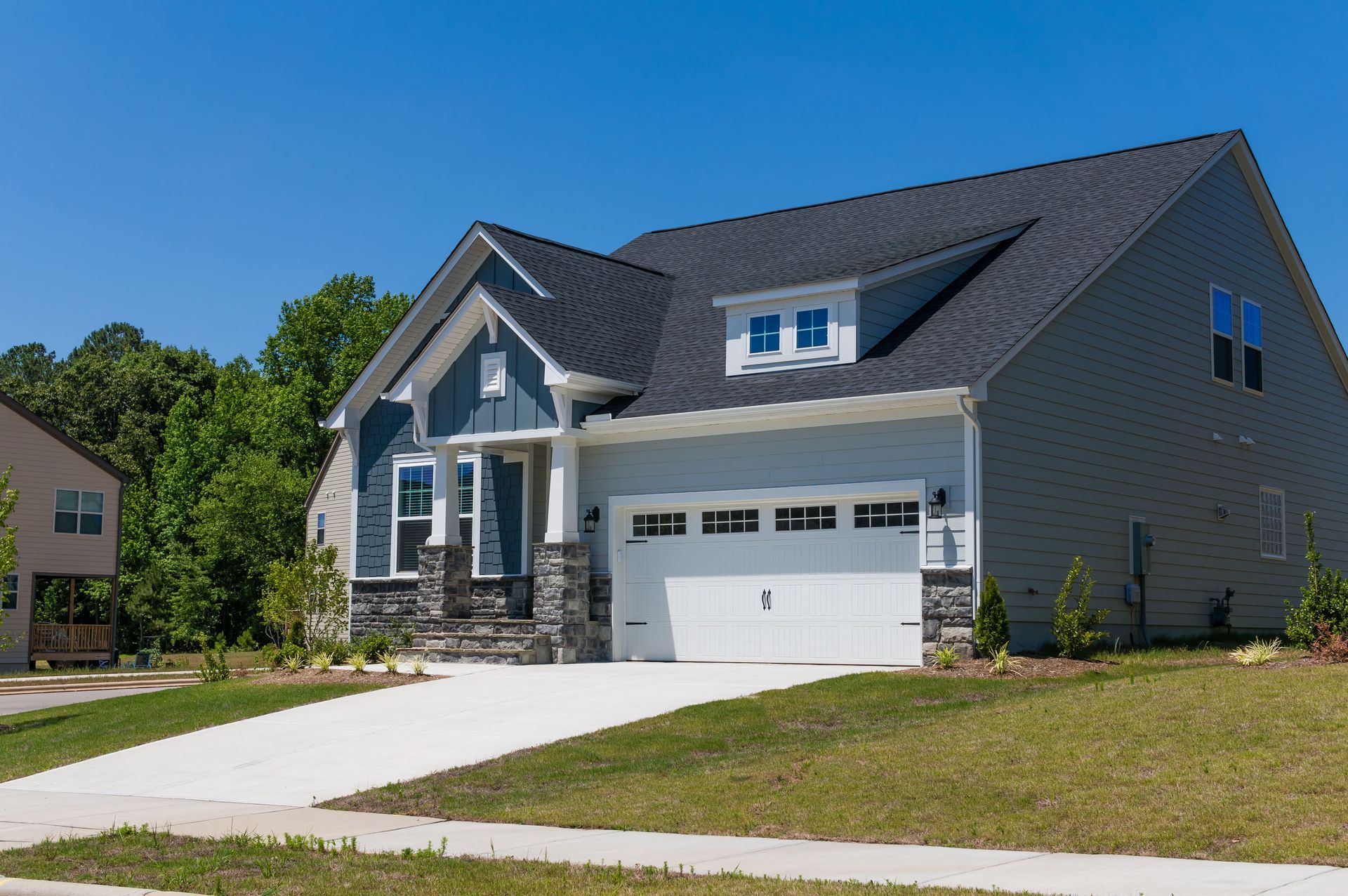
A rental house delivers this needed expanse without the permanence of a mortgage. Renters secure various rooms to designate for work, sleep, and entertainment. Compartmentalizing daily functions prevents mental fatigue and domestic chaos. Shared units force diverse activities into a central, cramped hub. Inhabitants of larger properties arrange furnishings with artistic freedom. Unrestricted room dimensions accommodate large items and collections. The spatial superiority remains clear to occupants.
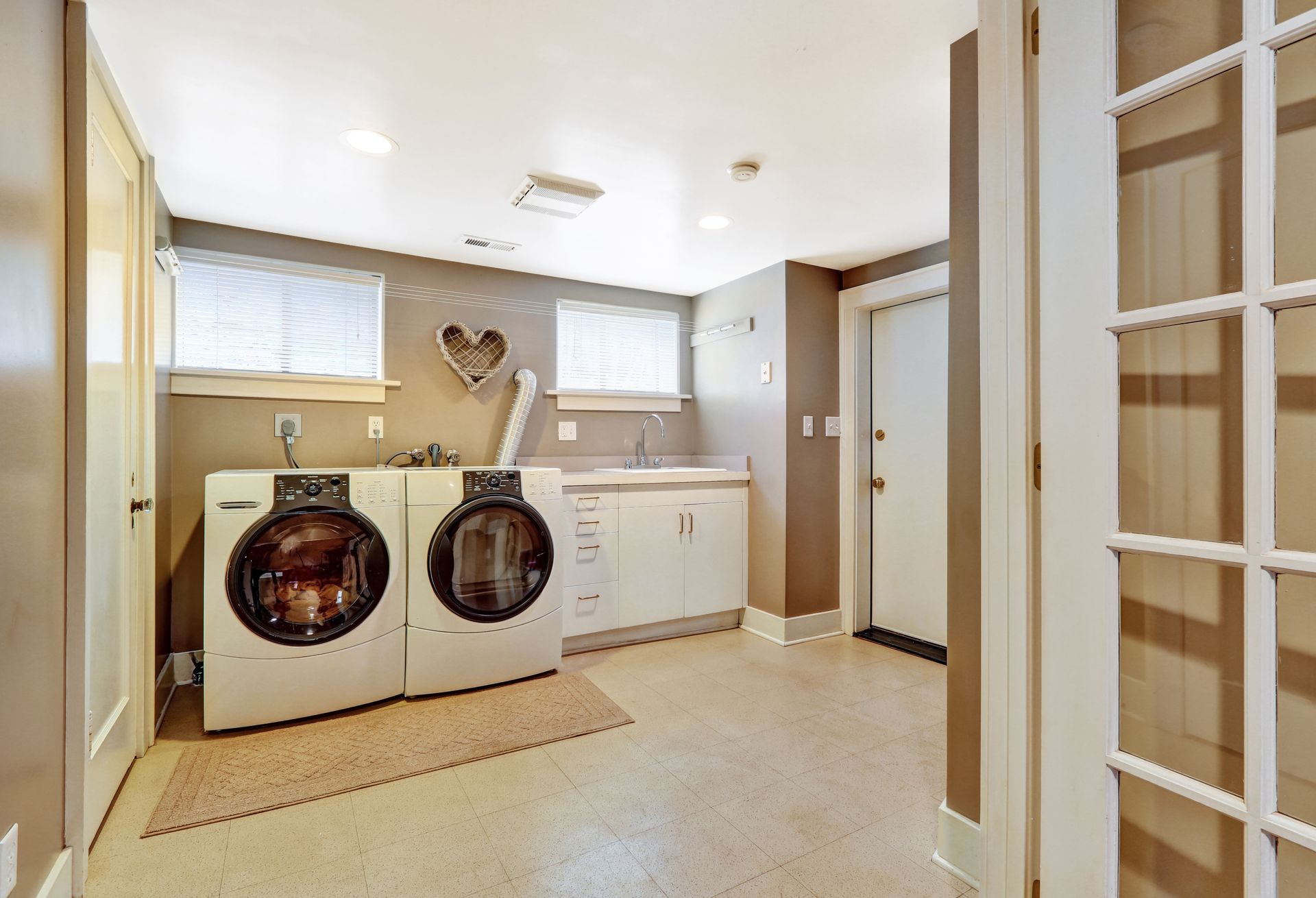
Storage constraints plague occupants of compact units. Seasonal decorations, recreational equipment, and archived documents require dedicated zones. Detached residences can feature attics, basements, and large closets to house these possessions. Residents avoid the hassle of renting off-site storage containers. Keeping belongings on the premises enhances convenience. Tangible items remain accessible yet out of sight. Superior storage capabilities make routines smoother and simpler for the household.
Expansive interiors accommodate growing households and lifestyles. Extra rooms welcome guests, support remote work setups, or function as dedicated exercise studios. The flexibility of a sprawling layout adapts to changing tenant needs over time. Confined apartments lack this essential adaptability. Residents facing new life phases require properties capable of accommodating shifts without demanding relocation. Vast domestic spaces ensure prolonged comfort and enduring utility for inhabitants.
Analyzing the Privacy Benefits
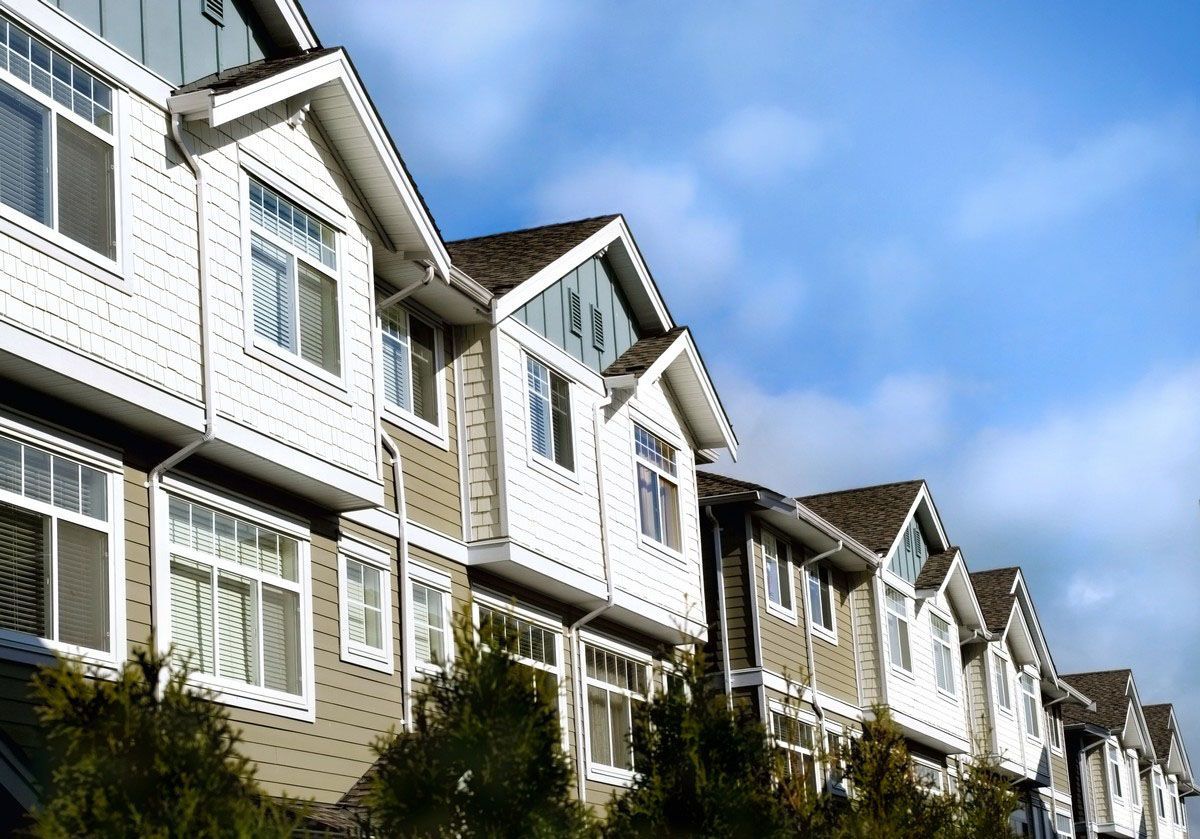
Solitude stands as a precious commodity in modern society. Shared living complexes force neighbors into close, unavoidable proximity. Thin walls transmit ambient noises, conversations, and media sounds between adjacent units. This auditory intrusion disrupts concentration and peaceful rest. Detached structures eliminate shared walls, creating an acoustic buffer around the dwelling. Inhabitants enjoy a quiet environment devoid of external disruptions. Tranquility elevates the standard of daily living.
The physical separation from neighbors enhances personal discretion. People entering and exiting their homes prefer to avoid constant observation. Elevators, shared lobbies, and communal corridors strip tenants of anonymity. A rental house provides dedicated entrances and private pathways. Occupants come and go without encountering watchful eyes or obligatory talk. This structural independence shields individuals from unsolicited social interactions. Personal boundaries remain intact and respected.
Understanding the housing market provides context for these choices. According to Census.gov, vacancy rates in the United States in the first quarter of 2026 totaled 7.3% for rental housing and 1.1% for homeowner housing. This availability allows prospective tenants to seek optimal arrangements. Abundant property options mean individuals can prioritize seclusion and quiet environments. The data reflects a robust inventory ready to meet the demand for separate, private living quarters. Renters possess the power to select premium sanctuaries.
Outdoor visual privacy matches internal auditory privacy in importance. Balconies attached to high-rise units expose residents to adjacent neighbors and street-level spectators. Fenced perimeters around standalone properties block intrusive lines of sight. Inhabitants lounge outdoors, host gatherings, and perform chores without feeling like public spectacles. Thick foliage and property barriers add layers of seclusion. True refuge exists when occupants control their visibility to the outside world.
Evaluating the Outdoor Freedoms
Connection to nature improves mental well-being and physical health. Conventional apartment complexes offer concrete patios or tiny balconies. These meager additions fail to satisfy the human need for fresh air and earth. Dedicated exterior grounds transform a property into a holistic living experience. Grass, trees, and open skies provide a private oasis for tenants. Inhabitants cultivate gardens, enjoy sunlight, and breathe without consuming recycled air.
Pet ownership thrives within the boundaries of expansive yards. Animals require terrain to run, play, and relieve themselves. High-rise living presents immense challenges for pet owners navigating stairs and crowded elevators several times a day. Fenced yards allow pets independent access to the outdoors. Animals exhibit better behavior and reduced stress when granted territorial freedom. A pet-friendly environment relies on accessible, private outdoor acreage.
Outdoor areas serve as vital extensions of the interior living space. Patios, decks, and lawns become ideal venues for dining, entertaining guests, and unwinding. Residents host weekend barbecues and quiet evening gatherings under the stars. The ability to transition between indoor spaces and outdoor zones enriches domestic life. Cramped concrete blocks deny inhabitants this essential fluidity. Integrating exterior natural landscapes into daily routines elevates the overall mood and satisfaction of the household.
Personalizing the exterior environment brings joy to many tenants. A rental house invites inhabitants to plant flowers, arrange outdoor furniture, and create welcoming entryways. While strict complexes dictate exterior aesthetics, standalone properties grant creative license. Cultivating a beautiful yard fosters a strong sense of pride and a deeper connection to the property. The freedom to shape the natural surroundings transforms a temporary lease into a personalized home.
Considering the Community Dynamics
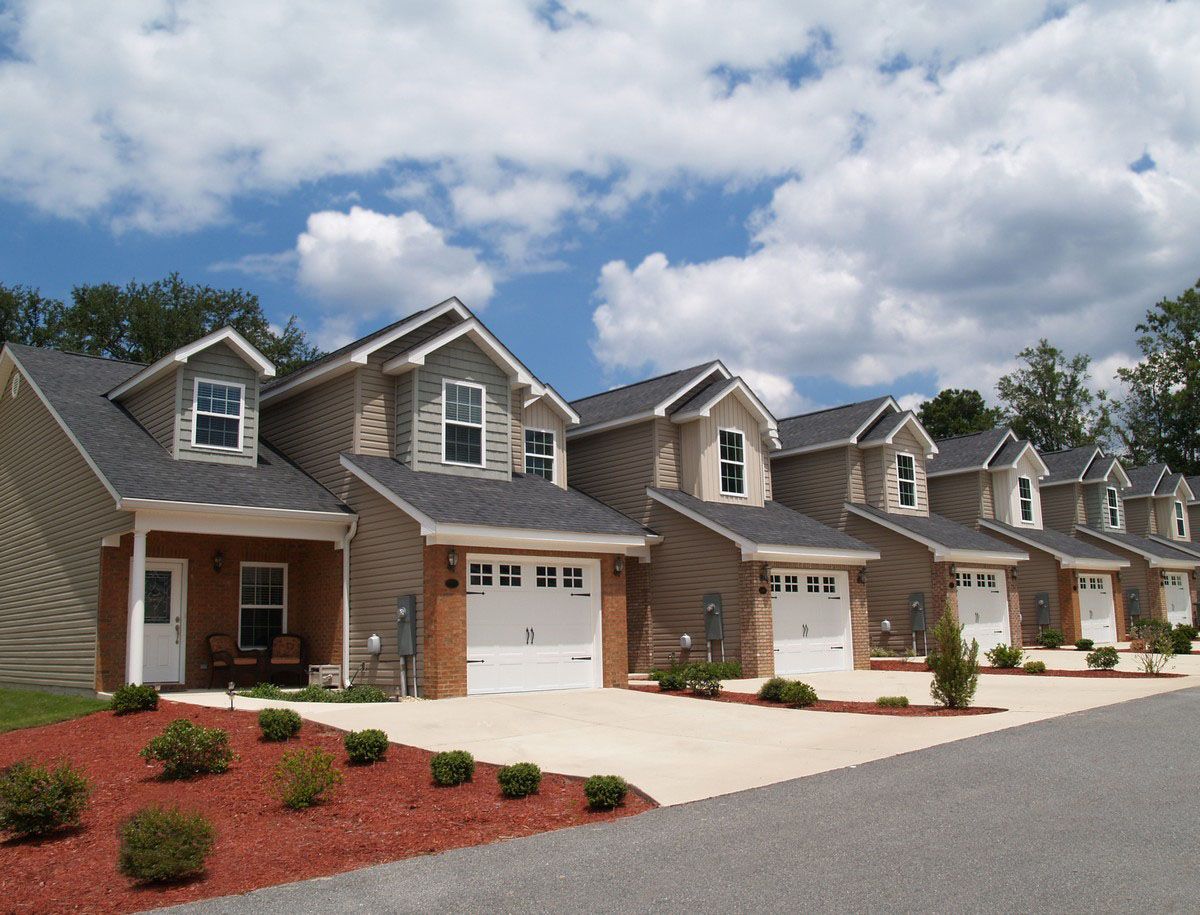
Neighborhood atmospheres show stark differences between dense complexes and suburban streets. Apartment buildings foster transient populations with high turnover rates. This constant flux prevents the formation of meaningful neighborhood bonds. Streets lined with standalone homes encourage stable, long-term residency. Neighbors recognize each other, share local news, and form supportive networks. A stable community fabric provides a sense of belonging and mutual security for all area inhabitants.
Parking and vehicular access shape daily conveniences. Dense complexes feature chaotic parking lots, assigned spots located far from entrances, and constant competition for visitor spaces. Carrying heavy groceries from a distant lot induces physical strain. A rental house includes dedicated driveways and attached garages. Residents park steps away from the front door. This localized parking protects vehicles from weather damage and careless scratches caused by adjacent drivers.
Noise ordinances and property rules dictate community harmony. Complexes impose rigid regulations regarding quiet hours, trash disposal, and facility usage. Management companies enforce these mandates to maintain basic order among dense resident populations. Standalone dwellings exist within flexible neighborhood frameworks. Residents exercise mature judgment rather than following laminated rulebooks. The absence of microscopic management allows inhabitants to live with autonomy. Adult tenants prefer self-governance over strict administrative oversight.
The surrounding neighborhood infrastructure adds value to the standalone living experience. Established residential streets feature mature trees, expansive parks, and proximity to quality schools. Complex developers construct properties on commercial strips or busy intersections to maximize land use. Tenants residing on quiet avenues experience a tranquil suburban lifestyle. The broader community design supports safe walks, relaxed bike rides, and peaceful evening strolls. Superior neighborhood layouts benefit residents.
Finding the perfect domicile requires weighing all functional and emotional factors. The choice shapes routines, comfort levels, and overall happiness. Shared units force compromises on space, ambient noise, and personal autonomy. Conversely, a rental house delivers unparalleled expansiveness, absolute seclusion, and vital outdoor access. These standalone properties elevate the standard of living for diverse groups of people. Individuals refusing to compromise find true satisfaction in detached residential structures. If you are ready to experience the freedom of a standalone property, we invite you to contact our team at Two54 Management, LLC. We are eager to help you find the ideal rental house for your evolving lifestyle.
Share On: