
A Guide to Low Income Rental Houses
Navigating the world of low-income rental houses can be complex, yet it is essential for individuals and families striving to secure safe, affordable housing. Low-income rental houses provide critical opportunities for those with limited budgets, bridging the gap between financial constraints and stable living arrangements. Understanding eligibility requirements, types of housing, application processes, common challenges, and available support resources is key to successfully securing a home. With the U.S. rental market steadily growing since 1974, the demand for affordable housing continues to outpace supply, making knowledge of low-income rental houses more important than ever. This guide provides practical insights to help prospective tenants find suitable housing, understand their rights, and maintain long-term tenancy success.
Understanding Low Income Rental Houses
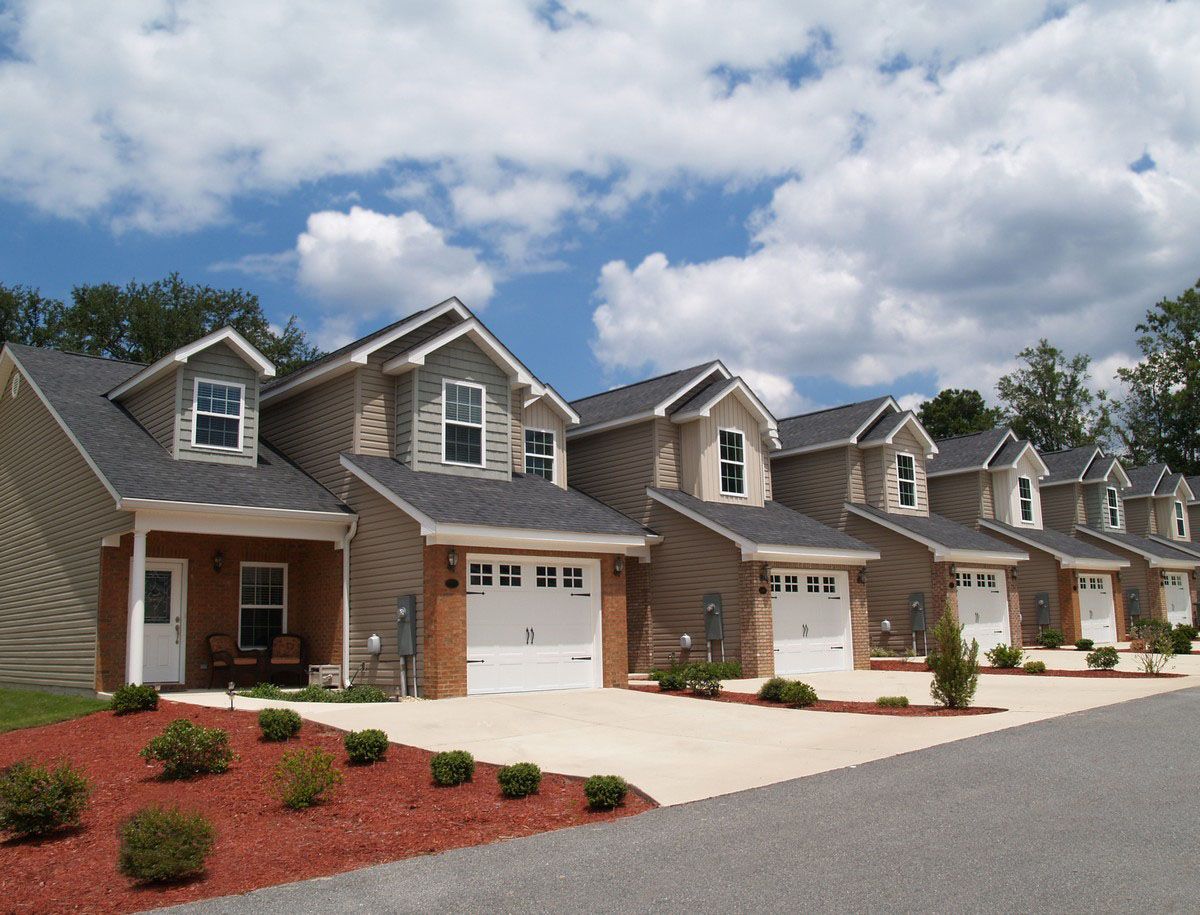
Low-income rental houses are residential units designed to be affordable for individuals and families earning below specific income thresholds. These homes are often subsidized by government programs, such as public housing or housing vouchers, or managed by non-profit organizations to ensure rent remains accessible. Typically, households earning at or below 80% of the area’s median income qualify for assistance, though some programs focus on extremely low-income households, providing rent levels well below market rates.
There are several types of low-income rental houses. Public housing projects are government-owned properties operated locally, offering long-term affordability to eligible families. Section 8 housing provides vouchers that allow households to rent privately owned units at subsidized rates, giving renters greater choice over location and housing style. Non-profit organizations also develop rental houses targeted to low-income residents, often incorporating services that support tenants beyond just housing, such as financial education or childcare resources.
Low-income rental houses are more than just shelter—they are essential to the social and economic health of communities. These homes reduce homelessness, foster economic diversity, and allow low-income workers to live closer to their employment, schools, and essential services. According to Statista, the U.S. has seen a steady increase in the stock of rental homes, with the number of units rising consistently every year since 1974, a trend that highlights the ongoing importance of maintaining accessible, affordable housing. These rental houses serve diverse populations, including seniors on fixed incomes, disabled individuals, families with children, and immigrant communities, each with unique needs and priorities.
Explaining Eligibility Requirements for Rental Houses
Eligibility for low-income rental houses primarily depends on income levels, family size, and sometimes specific demographic factors. Most programs use the local median income as a benchmark, typically requiring applicants to earn at or below 80% of that median. Certain programs target extremely low-income households, which may require applicants to earn less than 30–50% of the median income.
Applicants must provide thorough documentation to verify eligibility. Commonly requested items include proof of income, tax returns, identification, and records of supplemental income such as child support or government benefits. Some programs give priority to seniors, disabled individuals, or families with young children, ensuring these groups have access to rental houses designed to meet their specific needs, including accessibility features or additional support services.
Eligibility can also differ between federal and local programs. Federal programs, such as those administered by HUD, offer nationwide support through vouchers or project-based housing, while local initiatives may provide tailored solutions that address community-specific needs. Family size further influences eligibility, as larger households often receive higher subsidies to accommodate their space and resource requirements. Understanding these factors is critical for successfully accessing low-income rental houses.
Applying for Low Income Rental Houses
Securing low-income rental houses requires careful planning and research. Applicants should explore both public and private listings, consult local housing authorities, and utilize online databases to identify available units. Accuracy in completing applications is essential; errors or missing information can delay processing or result in denial. Housing counselors, tenant advocacy organizations, and community groups can provide guidance, ensuring applications are complete and documentation is properly submitted.
Many programs require interviews and property inspections. Interviews help housing authorities verify information and better understand the applicant’s situation, while inspections ensure rental houses meet health and safety standards. Understanding how waitlists function is also crucial, as demand often exceeds availability. Applicants should maintain regular contact with housing authorities and promptly update information on income or household composition, as these factors can affect priority placement on waitlists.
Overcoming Challenges in Rental Housing
Applicants for low-income rental houses frequently face long waitlists and limited housing availability. Although the number of rental homes in the U.S. has grown, competition remains high for affordable units, and applicants may need to explore multiple neighborhoods or consider different types of rental houses to find suitable options. Being flexible with location and housing features can increase opportunities, while temporary solutions such as transitional housing may provide relief while awaiting permanent placement.
Eligibility denials are another common challenge. Understanding the specific reasons for a denial allows applicants to correct errors or provide missing documentation and to pursue appeals if necessary. Legal aid or tenant advocacy groups can provide support during this process. Balancing affordability with quality is often difficult, as income limits may restrict housing options in safe neighborhoods or well-maintained units. Prioritizing essential factors such as safety, accessibility, proximity to schools or jobs, and habitability can help tenants make informed decisions. Awareness of tenant rights also helps combat potential discrimination based on race, ethnicity, disability, or family status, ensuring fair treatment throughout the rental process.
Utilizing Financial Assistance and Resources
Financial assistance is essential to accessing low-income rental houses. Housing vouchers, like Section 8, cover part of the rent for privately owned units, making them affordable for households with limited income. Understanding how these vouchers are calculated and used allows tenants to budget effectively and select rental houses that meet their needs.
Local non-profit organizations also play a critical role in helping individuals secure low-income housing. These organizations may provide guidance in navigating applications, offer financial literacy programs, or manage rental houses directly. Their community-based focus enables tailored solutions that meet specific local needs.
Government support beyond housing programs is available as well. Assistance programs such as TANF, SNAP, and Medicaid allow households to allocate limited income toward housing costs by helping cover food, healthcare, or utilities. Maintaining financial stability is vital for long-term tenancy. Tenants benefit from budgeting, saving, attending financial education programs, and establishing small emergency funds to navigate unexpected expenses, ensuring continued access to rental houses.
Managing Tenancy Successfully
After securing a rental house, tenants must understand lease agreements, which outline rent, duration, and responsibilities for both tenants and landlords. Reviewing leases thoroughly and clarifying any uncertainties prevents conflicts and ensures tenants know their rights. Maintaining the property, reporting maintenance issues promptly, and adhering to cleanliness standards contributes to a safe and habitable environment while fostering positive landlord relationships.
Building a cooperative relationship with landlords is crucial. Open communication, transparency regarding changes in circumstances, and mutual respect help tenants navigate challenges during tenancy. Disputes may arise, and knowing the proper channels for mediation or legal assistance protects tenant rights. At the end of a lease, planning for renewal or transition to new housing—including securing deposits and providing proper notice—ensures stability and smooth transitions.
Securing low-income rental houses is a critical but often challenging process for many individuals and families. Understanding eligibility requirements, researching options, applying carefully, leveraging financial assistance, and managing tenancy effectively all contribute to successful outcomes. Patience, persistence, and knowledge of available resources empower tenants to navigate challenges and access homes that provide safety, stability, and affordability. By taking a proactive approach, low-income renters can improve their quality of life and achieve long-term housing security.
For guidance and support in finding low-income rental houses, contact Two54 Management, LLC to explore available resources and opportunities for stable, affordable living.


Share On: