
6 Things to Look for When Searching for Homes for Rent
Finding the perfect place to live can feel overwhelming, especially when balancing your budget, lifestyle, and long-term goals. Renting is often the most practical option for those seeking flexibility, saving for a future home, or navigating life transitions. However, the rental market can be competitive, and homes for rent vary widely in quality, location, and amenities. Knowing what to prioritize before signing a lease can save time, money, and stress. Here are five essential factors to consider when searching for homes for rent.
1. Assess the Neighborhood Carefully
The location of your rental is just as important as the property itself. When evaluating homes for rent, consider the surrounding neighborhood's safety, convenience, and overall vibe. Research crime rates, public transportation options, local schools, grocery stores, and parks. Even a beautiful home can feel inconvenient if it’s far from your daily needs.
Walk around the area at different times of day to get a sense of traffic, noise levels, and local activity. Observing these patterns firsthand can reveal what online listings or photos might hide. Chat with neighbors or frequent local businesses to get an authentic sense of the community.
Think about your lifestyle and long-term goals when assessing the neighborhood. Are you seeking a quiet, residential area, or do you prefer a lively district with restaurants, shops, and nightlife nearby? Proximity to work, social activities, and essential services will directly impact your daily convenience. Additionally, consider potential future growth in the area, as emerging neighborhoods might offer better long-term living conditions and investment value.
2. Compare Rental Prices and Affordability
Affordability is a key factor in any rental decision. When searching for homes for rent, it’s essential to examine not only the monthly rent but also additional costs, such as utilities, parking, maintenance, and renters' insurance. These extra expenses can significantly increase the total cost of living, so a thorough calculation will prevent future surprises.
According to Statista, over 50% of renters have a household income below $50,000, while only around 20% of homeowners with a mortgage fall into that income bracket. This highlights how rent can consume a larger portion of a renter’s income, making careful budget planning critical.
Compare multiple listings to understand the market rate in your desired area. Be mindful of potential deals or discounts, such as one-month free rent, waived fees, or flexible payment schedules, which landlords occasionally offer. Consider whether the rent aligns with your long-term financial goals, including saving for emergencies, retirement, or future homeownership. By analyzing costs thoroughly, you ensure your rental is both comfortable and sustainable over time.
3. Inspect the Property Thoroughly
A property inspection is one of the most crucial steps when renting. Online listings may highlight the home’s best features, but visiting in person allows you to evaluate its true condition. Pay attention to structural integrity, plumbing, heating and cooling systems, electrical outlets, and appliances. Look for water damage, cracks, mold, or pest issues that could indicate larger problems.
Beyond the essentials, assess everyday convenience and comfort. Examine storage spaces, lighting, and room layouts to see if the property meets your needs. Consider whether it can accommodate furniture, appliances, or personal touches that make a home feel welcoming.
Ask the landlord or property manager detailed questions about past repairs, ongoing maintenance responsibilities, and emergency protocols. Understanding how quickly issues are resolved and what is covered in the lease will save frustration later. A thorough inspection ensures that you are not committing to a home with hidden problems or costly repairs, making it one of the most important steps in the rental process.
4. Evaluate Lease Terms and Conditions
The lease agreement is a legally binding contract, and understanding it is critical. Lease terms vary significantly, and carefully reviewing them can prevent surprises down the road. Pay attention to the length of the lease, renewal options, and policies for rent increases. Know the rules regarding pets, guests, and modifications to the property.
Flexibility is another key consideration. Some leases allow early termination but include penalties, while others have strict requirements. If your situation changes, such as a new job or relocation, knowing your options in advance can reduce stress.
It’s also important to clarify responsibilities for maintenance, lawn care, and other property needs when considering homes for rent. Understanding who is accountable for repairs and upkeep prevents conflicts and ensures that the landlord meets their obligations. Ask for written clarification on any ambiguous terms, and don’t hesitate to negotiate clauses that better suit your situation. Being well-informed about lease conditions can make the difference between a smooth rental experience and ongoing frustration.
5. Prioritize Amenities and Convenience
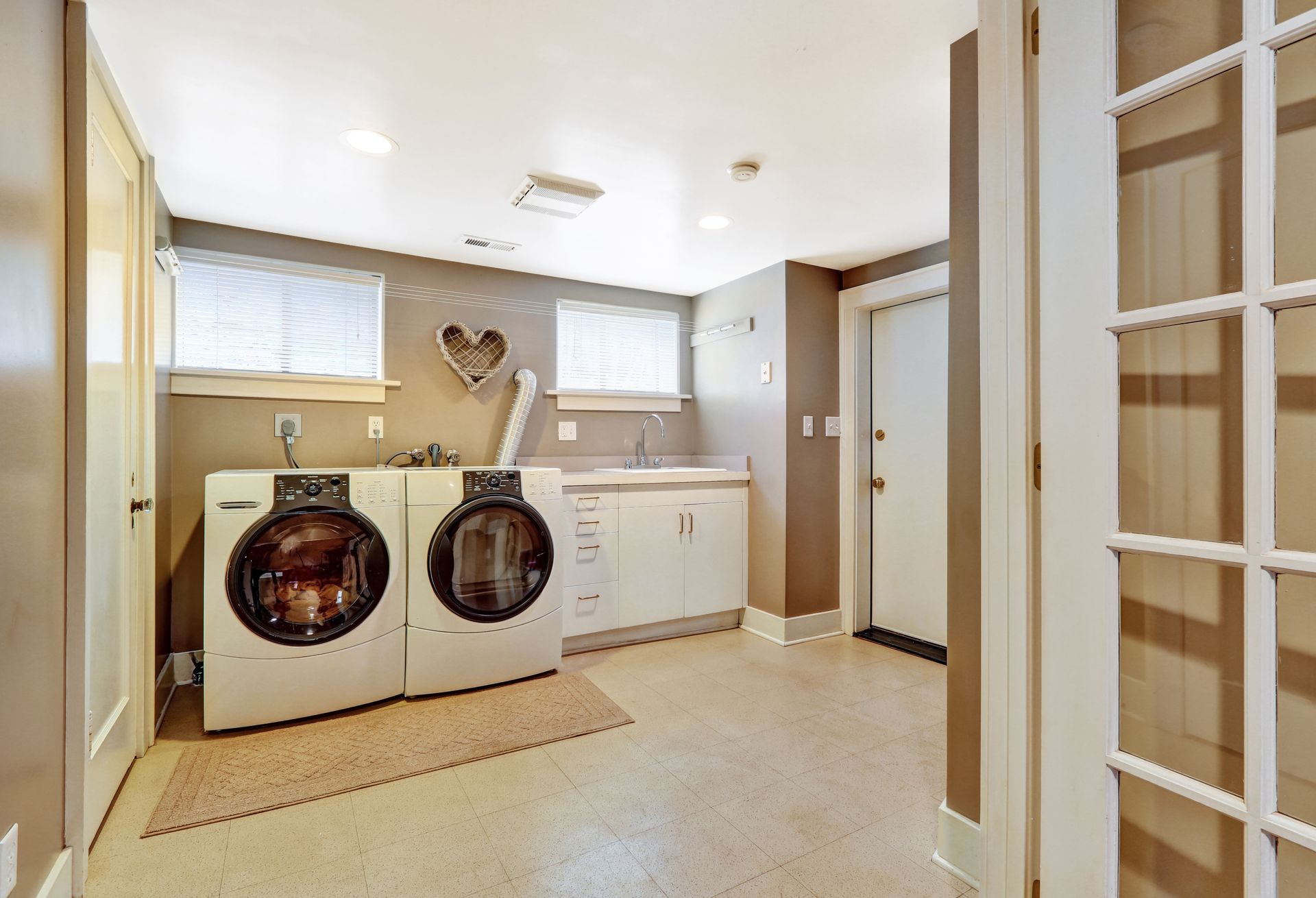
Amenities can greatly enhance your day-to-day living experience. When evaluating homes for rent, consider features that add comfort and practicality, such as in-unit laundry, parking, storage, outdoor spaces, or shared recreational facilities. Reflect on which amenities align with your lifestyle. For instance, someone who works from home may prioritize a dedicated office space or high-speed internet, while a pet owner may look for a yard or nearby parks.
Accessibility matters as much as amenities. A home close to public transportation, major highways, or your workplace reduces commute times and daily stress. Consider proximity to essential services such as grocery stores, gyms, healthcare providers, and entertainment venues.
While extra amenities are attractive, they can sometimes come with higher rent. Weigh their benefits against your budget and priorities. In many cases, a well-located property with fewer luxurious features may provide greater long-term satisfaction than a more elaborate home in a less practical location.
6. Consider Long-Term Compatibility
Beyond immediate needs, consider whether the home you are renting fits your longer-term plans. Are you likely to stay in the area for several years, or is this a temporary living situation? If you plan to stay long-term, assess whether the home and neighborhood can adapt to changes such as expanding your family, remote work, or lifestyle shifts.
Think about the overall comfort of the home, including space, lighting, storage, and privacy. Even small inconveniences, like narrow closets or limited kitchen space, can become daily frustrations over time. Evaluate how the property aligns with your routines, habits, and personal preferences.
Renting also offers the flexibility to test new neighborhoods and housing styles without the commitment of ownership. Take advantage of this freedom to explore what works best for your lifestyle, and use your experience to guide future housing decisions. Considering long-term compatibility ensures that your rental meets both current and future needs.
Finding the right home for rent requires a careful balance of multiple factors, including location, affordability, property condition, lease terms, amenities, and long-term suitability. Each element contributes to your overall comfort, financial stability, and satisfaction with the rental experience.
Renting provides flexibility and practicality, especially for households mindful of budget constraints and lifestyle changes. By assessing neighborhoods carefully, comparing rental prices, inspecting properties, reviewing lease agreements, prioritizing amenities, and considering long-term compatibility, you can make an informed decision that aligns with your goals.
The ideal home for rent is more than a roof over your head — it’s a foundation for comfort, convenience, and peace of mind. A thoughtful, systematic approach to your search ensures that you select a property that fits your lifestyle, supports your finances, and enhances your overall quality of life. With the right strategy, finding a rental can be a rewarding and stress-free process. Searching for homes for rent doesn’t have to be stressful. Two54 Management, LLC is here to help you every step of the way. Contact us today!



Share On: